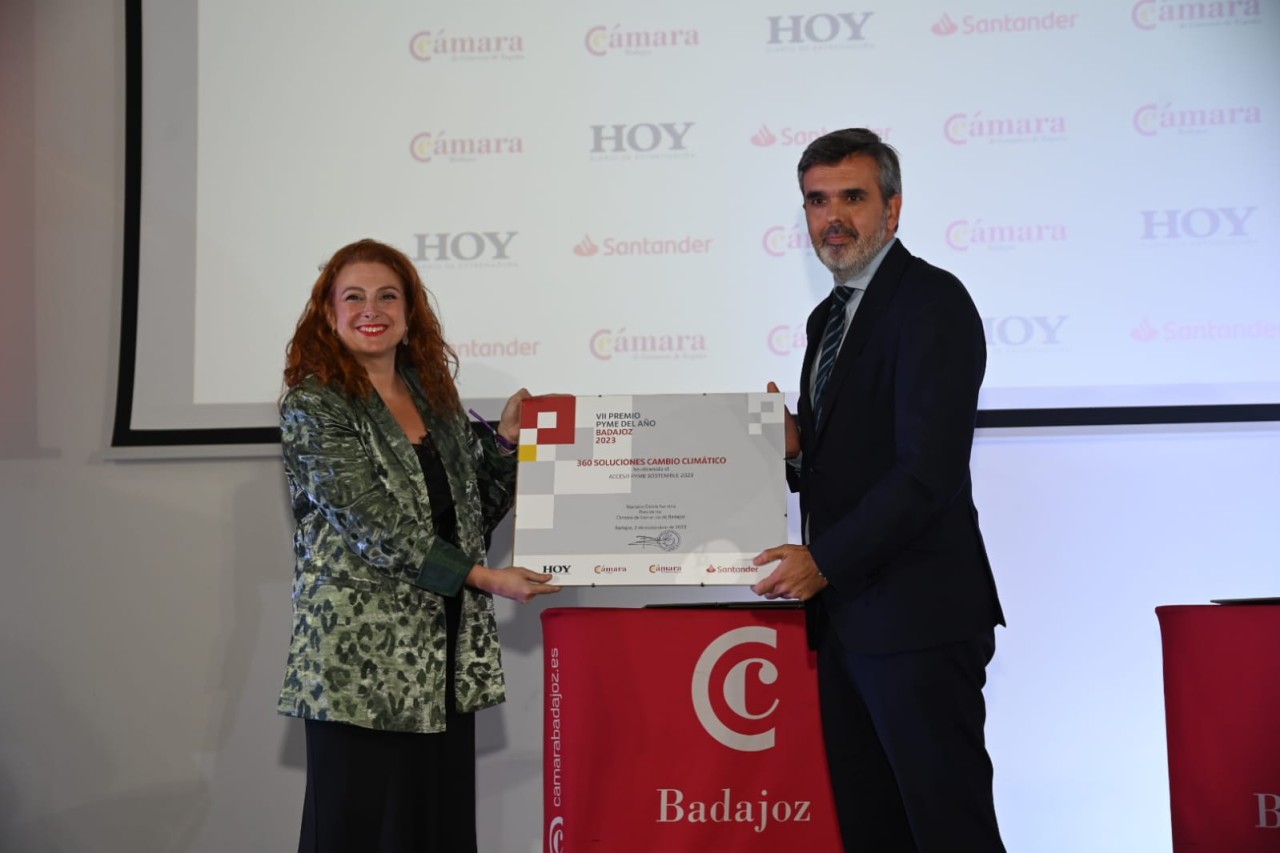
We are proud to share a significant achievement: this year we have produced and successfully delivered 25 annual report for Environmental Monitoring Programs for different photovoltaic and thermosolar plants, distributed between Extremadura and Andalusia making a total of approximately 1.000 MW in operation, marking a key milestone in our journey towards a more sustainable future!
These reports are the result of hard work and dedication on the part of our team. Each report reflects not only the development and monitoring of an entire Environmental Monitoring Plan for each plant, but also our commitment to environmental monitoring and management in the renewable energy sector, and the significant growth of our company.
Among the most outstanding results we can highlight the rescue of a vulture that we find wounded near the power line of one of the plants, training plant operators to increase environmental education and respect for the environment, the control of biodiversity in plants and their environments thanks to the improvement of ponds, the monitoring of nest boxes, reptile shelters, in control of the plant screen through the sustainable management of sheep (agrisolar measures)implementation of different improvements, etc.
What is an Environmental Monitoring Plan?
The Environmental Monitoring Plan (PVA) is a crucial tool to manage and mitigate the environmental impacts generated by actions or operations in the different phases of the project: construction phases, exploitation phase and dismantling phase.
The key steps involved in developing a PVA are:
1. Planning: defining the objectives and scope of environmental monitoring, establishing the key parameters to be monitored, the frequency and duration of surveillance
2. Monitoring: collection of data to assess environmental impact, using measuring instruments to record specific parameters, such as air quality, noise levels, and other environmental factors. The information collected serves as a basis for assessing environmental performance
3. Analysis: evaluation and processing of collected data, identifying patterns, trends, and possible deviations from established environmental standards
4. Reports: the results of the analysis are documented and communicated to interested parties through detailed reports. These reports not only meet regulatory requirements, but also provide transparency and promote environmental responsibility
5. Corrective actions: if environmental problems are detected during monitoring, corrective measures are implemented to mitigate negative impacts and restore the environmental balance.
6. Continuous Review: Periodic reviews allow adapting the PVA to changes in environmental conditions, technological advances, and new regulatory requirements.
Developing an integrated PVA involves close collaboration with climate change experts and environmental management professionals.
At 360 Soluciones Cambio Climático, we take pride in applying this systematic approach to ensure sustainability and accountability across our operations.